The Cane Corso is more than just a powerful Italian guardian — it is a living legacy of thousands of years of canine evolution. This majestic Molosser breed, often called the “Italian Mastiff”, has ancient origins that stretch back to the very cradles of civilization, from Mesopotamia to the Roman Empire. But where did the Cane Corso really come from? And how did it evolve into the guardian breed we admire today?
In this article, we explore the documented and speculative history of the Cane Corso, based on scientific, archaeological, and anthropological sources — including insights from the seminal book Il Cane Corso – Origini e Prospettive del Molosso Italico by Ferdinando Casolino and Stefano Gandolfi (1996).
Man’s Ancient Fascination with the Molosser
Human fascination with large, powerful dogs goes back millennia. Molosser-type dogs — characterized by robust frames, strong jaws, and fierce loyalty — appear in art, sculpture, and oral tradition across countless ancient cultures. In many ways, the Molossian dog was more than a working animal; it was a symbol of protection, strength, and divine loyalty.
Theories About the Dog’s Origin
There are two dominant scientific theories regarding the origin of dog breeds:
- Monophyletic theory: All modern breeds descend from a single wild ancestor, most likely the wolf (Canis lupus).
- Polyphyletic theory: Different dog breeds evolved from various types of primitive canines, shaped by distinct environments and human needs.
The Cane Corso is frequently connected to the polyphyletic school. According to Charles Darwin, who supported this approach, selective pressure and human intervention allowed different breeds to emerge from diverse ancestral stock.
However, fossil records remain fragmented. Genetics, especially DNA mapping and blood analysis, may help answer long-standing questions about breed development. Recent studies suggest that domesticated dogs arose from symbiotic relationships with early humans — initially through scavenging and gradually becoming hunting partners and guardians.
The Early Human-Canine Relationship
The first relationship between man and dog was not companionship, but utility. Early canids scavenged around human camps, and humans soon learned to rely on dogs’ superior senses for hunting. This led to a “proto-domestication,” long before formal breeding began. Dogs that could understand and adapt to human needs survived and multiplied.
The Cane Corso likely evolved from dogs with high hunting drive and social adaptability — traits favored in early human settlements transitioning from hunting to agriculture.
The Neotenic Trait of Molossers
Molossers often retain juvenile characteristics even into adulthood — broad heads, short muzzles, expressive eyes. This phenomenon, known as neoteny, increases their social bond with humans. These same traits are present in the Cane Corso, contributing to its trainability and emotional connection with its owner, despite its intimidating appearance.
Mesopotamian Roots of the Cane Corso
One of the oldest depictions of a molosser-type dog comes from Mesopotamia. A stone sculpture from Lagash (on display at the Louvre) shows a dog nursing her pups. Another clay tablet from Ur depicts a similar scene — suggesting not only domestication but also the cultural importance of guardian dogs as early as 3000 BCE.
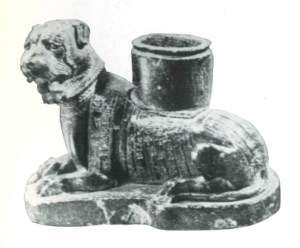
These dogs were strong, muscular, and short-muzzled, much like today’s Cane Corso. Their use in guarding livestock and assisting in big-game hunting mirrors the Corso’s historical role in rural Italy.
Tibetan Mastiff Theory
One hypothesis suggests that all Molossers, including the Cane Corso, descend from the Tibetan Mastiff. This large, thick-coated dog adapted to cold climates and harsh terrains. Over time, its descendants migrated westward, evolving into various forms — from St. Bernards to Italian mastiffs.
Assyrian and Sumerian Depictions of Molossers
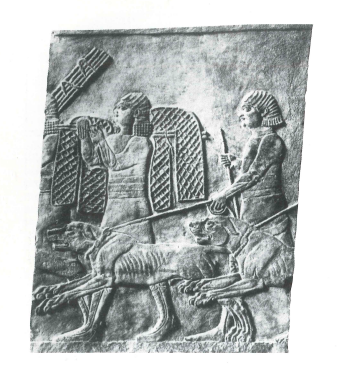
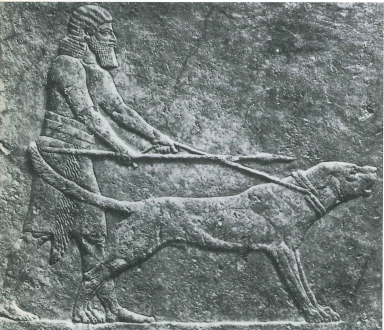
The Assyrians revered their dogs. Assyrian warriors used molosser-type dogs in both warfare and lion hunts. Bas-reliefs from the palaces of Nimrud and Nineveh (850–645 BCE), preserved in the British Museum, clearly depict short-muzzled, broad-headed dogs held by soldiers. Their roles? Hunting, guarding, and even ritualistic purposes.
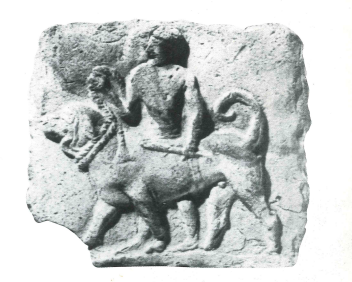
Terracotta figurines of molossers were placed at doorways to ward off evil. Inscriptions described their characteristics with labels like “Enemy conqueror,” “Silent biter,” or “Loud growler” — roles mirrored in today’s working Cane Corso.
Functional Morphology
These dogs had short legs, thick necks, and immense bite strength — all traits that made them perfect for catching wild asses (onagers) or lions. Their morphology closely resembles modern Corsos: medium to large size, deep chests, alert expression, and muscular frames.
The Cultural Legacy of the Cane Corso
Over time, as human civilizations advanced, so did the roles of their dogs. The Cane Corso followed humans into farms, fields, battlefields, and cities. While once a hunter and war dog, it eventually became a livestock guardian and, later, a protector of homes and families.
Its history is a blend of biological evolution and cultural symbolism. The breed is not merely a relic of the past — it’s a testament to how deeply intertwined human and canine destinies have been.
Conclusion
The origins of the Cane Corso are as rich and complex as the dog itself. From the banks of the Tigris and Euphrates to the vineyards of Southern Italy, this breed has walked alongside mankind for millennia. Understanding its history isn’t just about dogs — it’s about civilization, companionship, and the primal need for protection and partnership.
Follow the Cane Corso’s journey with humankind, from ancient Rome to the rural landscapes of the Middle Ages.